The Silent Railway
The rusted freight wagons sitting idle at the Meghri station are more than just scrap metal; they’re the literal end of the line for a rail system that once tied Yerevan to Baku and Tehran. Tucked away in the village of Araksashen along the Araks River, this southern Armenian hub was a lifeline from the Second World War until the spring of 1992, when the first war over Nagorno-Karabakh effectively severed the tracks. For decades, the station has been a hollowed-out shell of broken glass and overgrown weeds, serving as a quiet, bitter reminder of how quickly geopolitics can turn a vital transit node into a ghost town.
The silence finally broke in August 2025 when a peace declaration, mediated by President Donald Trump, proposed a massive $1.2 billion revival of the route. Rebranded as the Trump Route for International Peace and Prosperity (TRIPP), the project aims to link mainland Azerbaijan to its exclave, Nakhchivan, through Armenian territory. While Prime Minister Nikol Pashinyan views the "North-South corridor" as an economic necessity, Azerbaijani President Ilham Aliyev has been blunt about his expectations: he wants a route his citizens can use without the friction of Armenian border checkpoints, citing the Soviet-era history of the tracks as justification for Azerbaijani control.
For the people living in the Syunik region, this $1.2 billion gamble is a double-edged sword. On one hand, the promised investment and 99-year development deal offer a desperate glimmer of economic hope for a remote borderland that has been ignored for far too long. On the other, there is a deep, visceral fear that "connectivity" is just a polite word for surrendering sovereignty. Whether those tracks eventually carry trade and prosperity or just become a new flashpoint for old resentments depends entirely on whether the involved powers value regional stability over strategic leverage.
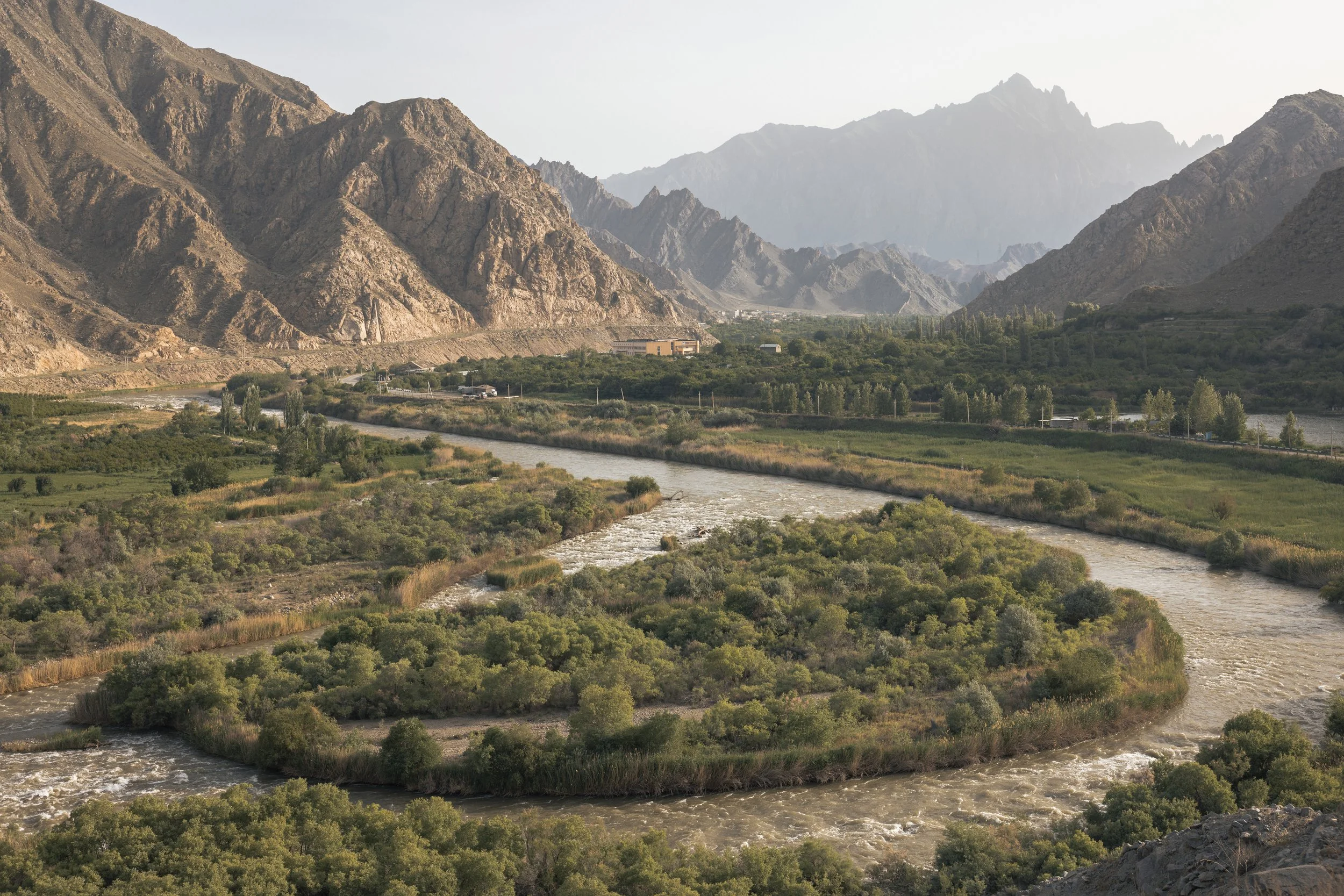
From the vantage point of Armenia’s southern border, the Arax River flows quietly, its opposite bank belonging to Iran visible in the distance on 18 May 2025. This border crossing remains a critical artery for Armenia, enabling essential trade and energy flows. At the same time, rising tensions over the proposed Zangezur Corridor have added strategic weight to this stretch of land and water. Iran has voiced strong opposition to the corridor, fearing that it would cut off its direct land link to Armenia and undermine its role as a regional transit hub. The corridor intended to connect Nakhchivan Autonomous Republic (an exclave of Azerbaijan) with the rest of Azerbaijan through Armenian territory has become a flashpoint in regional geopolitics, with both Armenia and Iran regarding it as a challenge to their sovereignty and strategic interests.
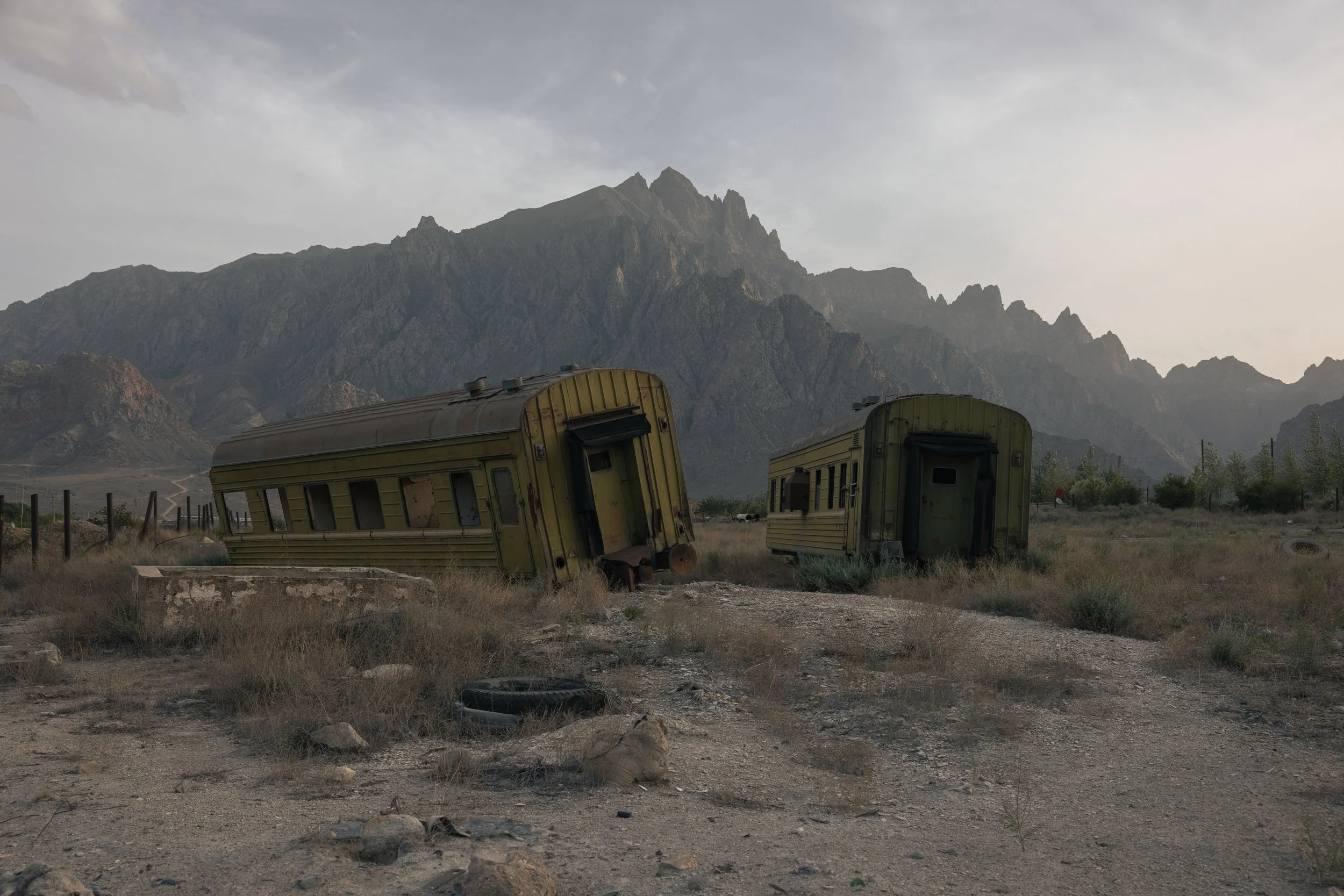
Rusting railway cars sit abandoned near Agarak, on Armenia’s southern border with Iran, on May 18, 2025. The cars, marked with faint Russian stenciling reading “Baku,” were once part of the Meghri railway line connecting southern Armenia to Azerbaijan and Iran. The abandoned tracks now contrast with efforts to reopen regional transport through the U.S.-brokered Trump Peace Corridor (TRIPP), a project designed to link mainland Azerbaijan with its Nakhchivan exclave. TRIPP includes road, rail, oil, gas, and fiber-optic infrastructure, operating under Armenian law to respect the country’s sovereignty, and aims to foster economic cooperation as part of broader attempts to resolve tensions between Armenia and Azerbaijan.
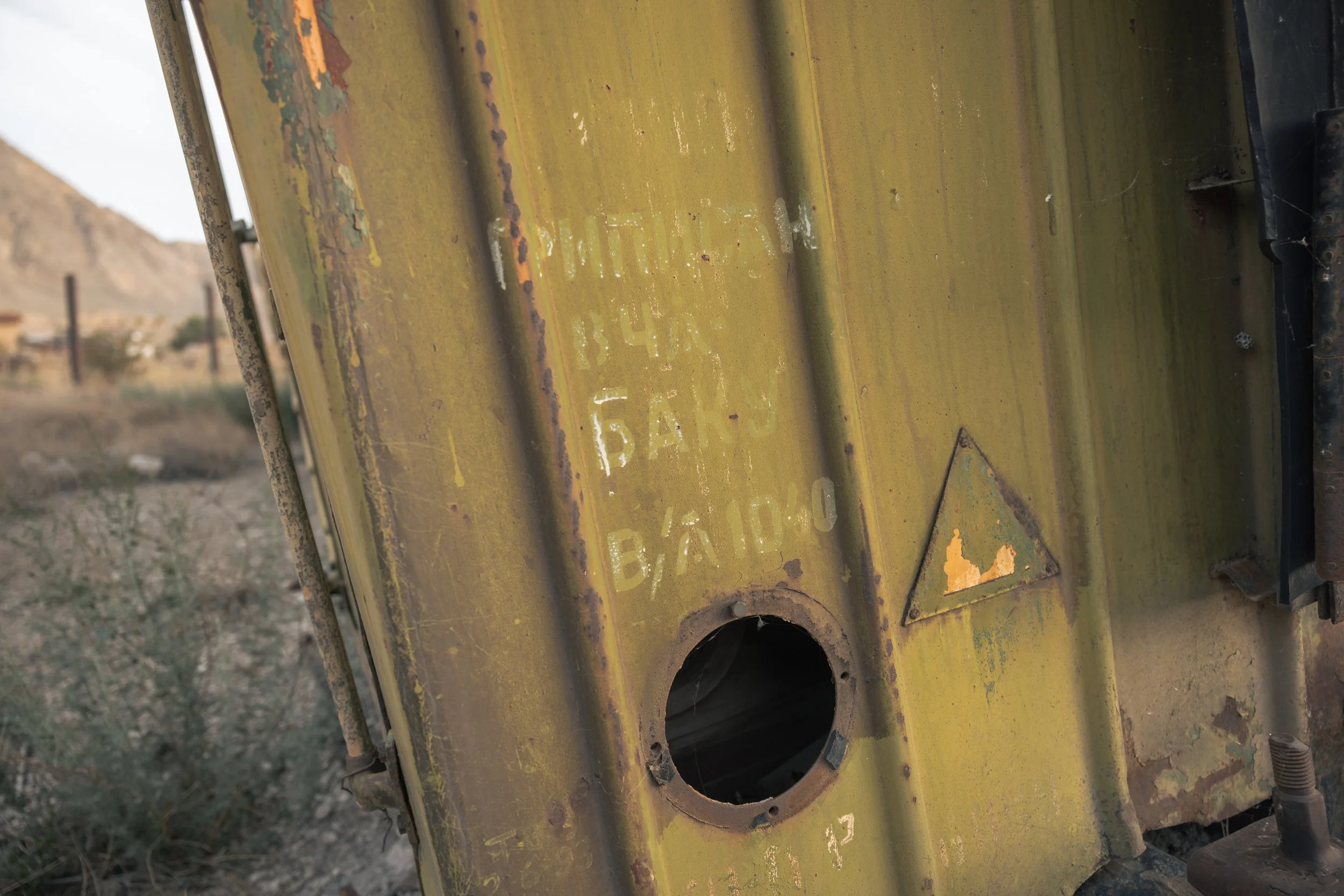
Abandoned freight cars from the former Meghri railway line stand idle outside Agarak, near the Armenian-Iranian border. The stenciled word “Baku” is still faintly visible on one car, a silent reminder of a time when trains travelled freely across what are now politically fraught borders between southern Armenia, Azerbaijan and Iran. The photograph was taken on May 18, 2025, capturing the decay of once-active infrastructure and evoking the region’s shifting geopolitical landscapes.
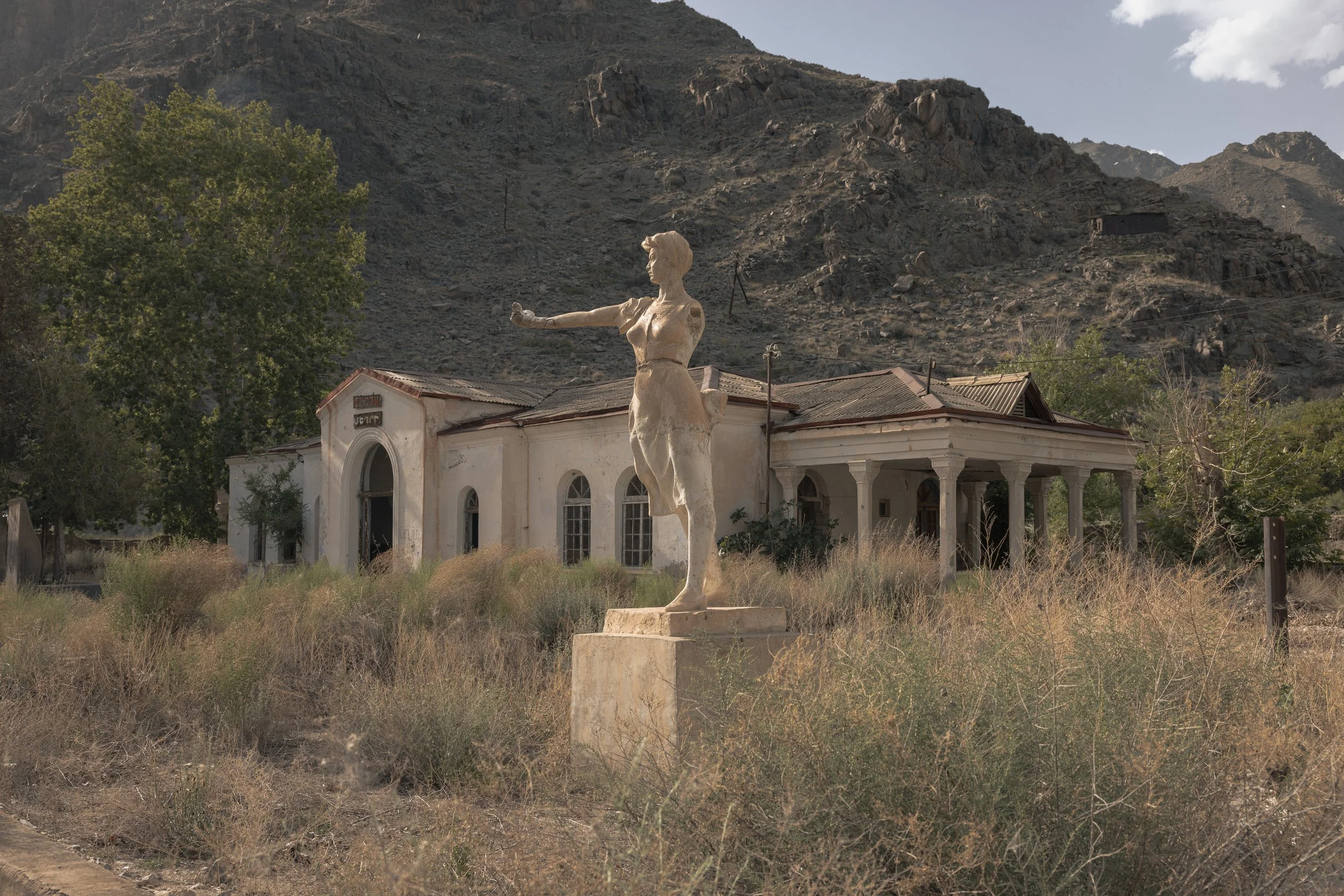
A Soviet-era statue depicting a female figure stands outside the former Meghri railway station in the village of Araksashen, southern Armenia, on May 18, 2025. The station was once a key stop on the Yerevan–Baku railway, a route that linked Armenia and Azerbaijan and formed part of a broader transport corridor connecting Moscow to Tehran. Rail operations ceased in April 1992 as regional conflict and political upheaval severed cross-border transport, and the Meghri section of the line was later dismantled entirely between 2010 and 2011. Little is documented about the statue’s origin, though its dynamic pose reflects the monumental public art of the Soviet period, often associated with themes of labor, resilience, and collective identity. Today, the statue overlooks the abandoned station grounds, a reminder of a former era of regional connectivity now overshadowed by unresolved tensions and ongoing debate surrounding the proposed Zangezur Corridor.
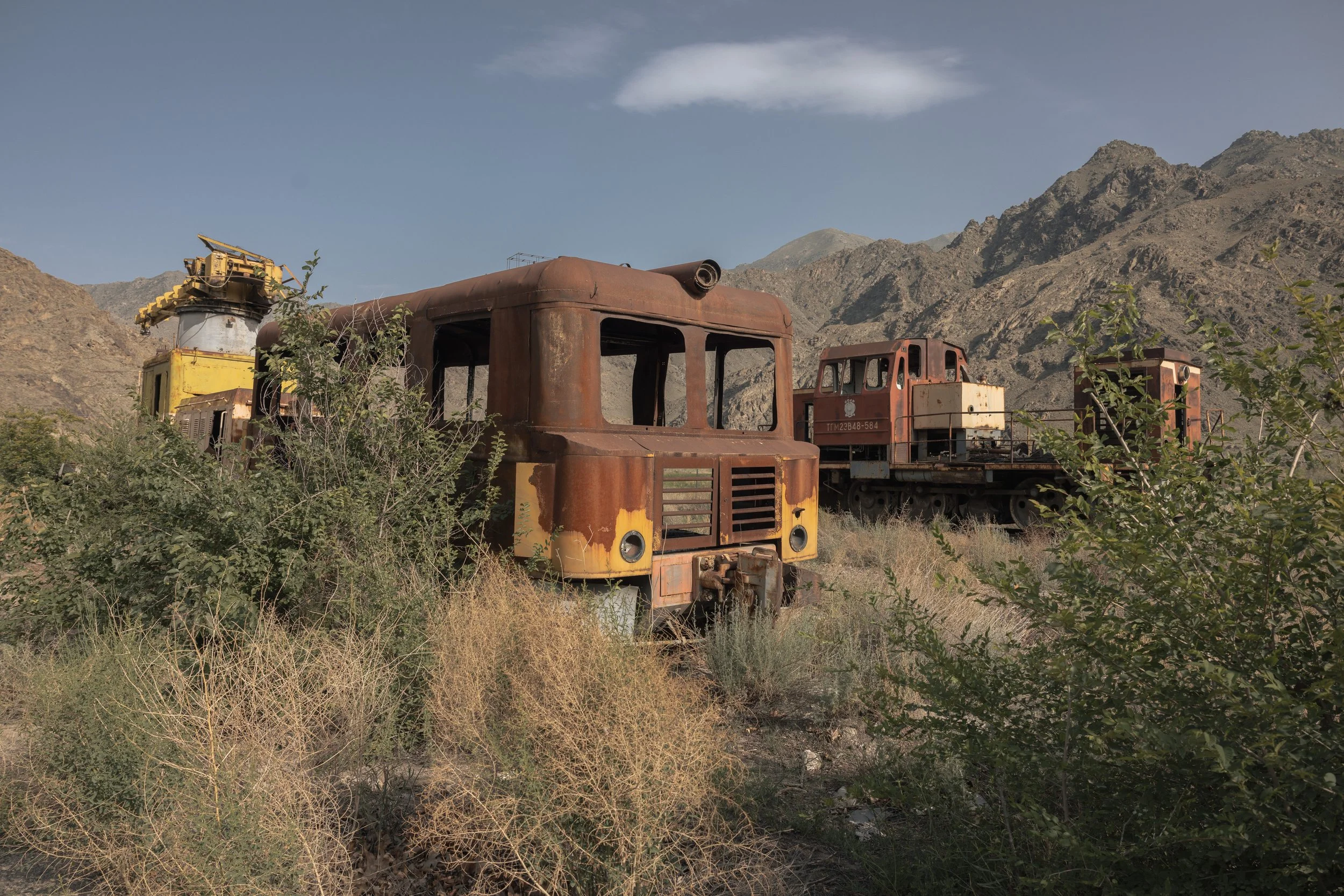
The former Meghri railway station in the village of Araksashen, Armenia, on May 18, 2025. The Yerevan–Baku line shut down in April 1992; railway cars now rust near the abandoned platforms, relics of a once vital corridor linking Armenia, Azerbaijan, Moscow and Tehran.
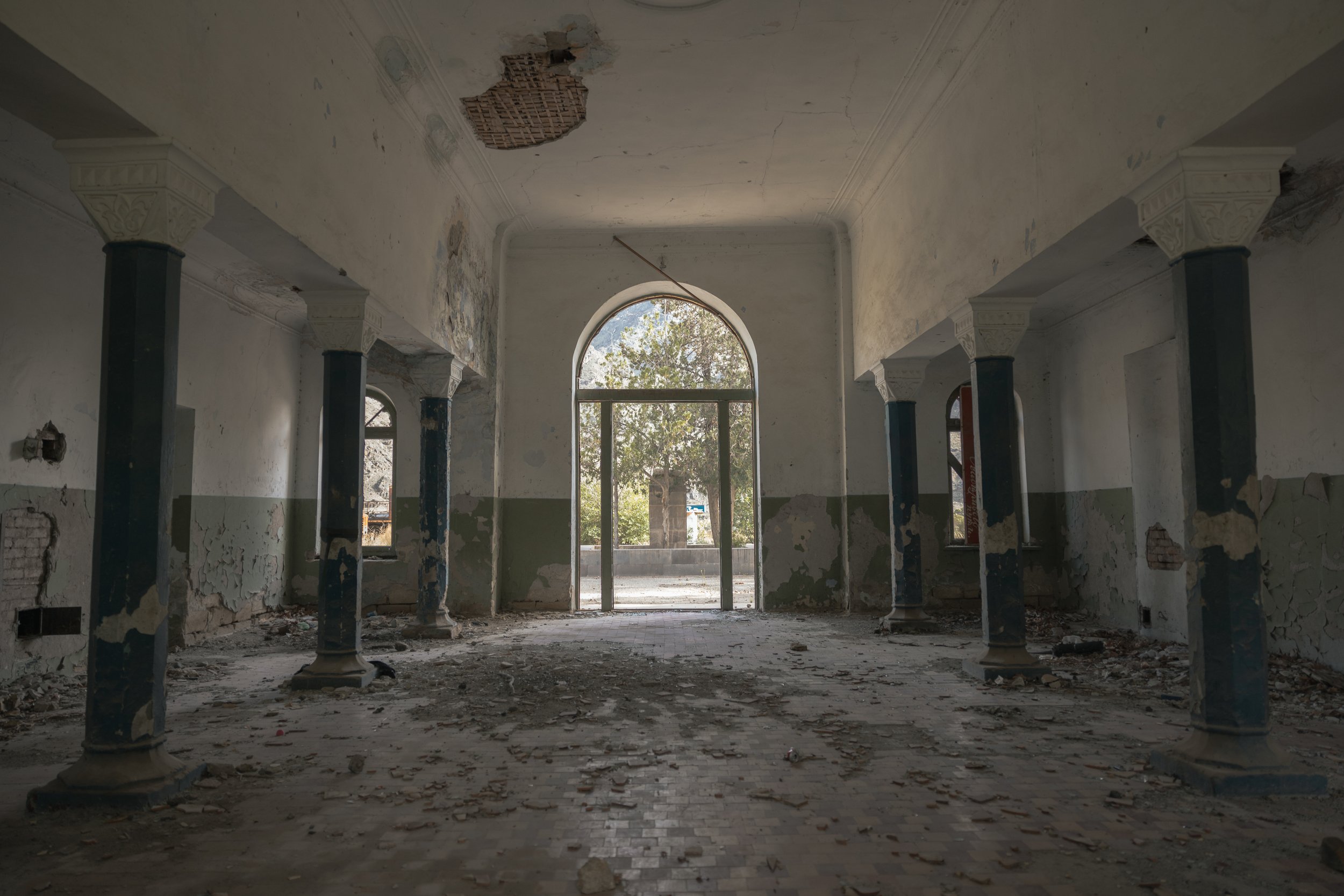
Sunlight streams through shattered windows inside the abandoned Meghri railway station in Armenia on May 18, 2025. Once a key stop on the Yerevan–Baku rail line, the station has sat empty since 1992.
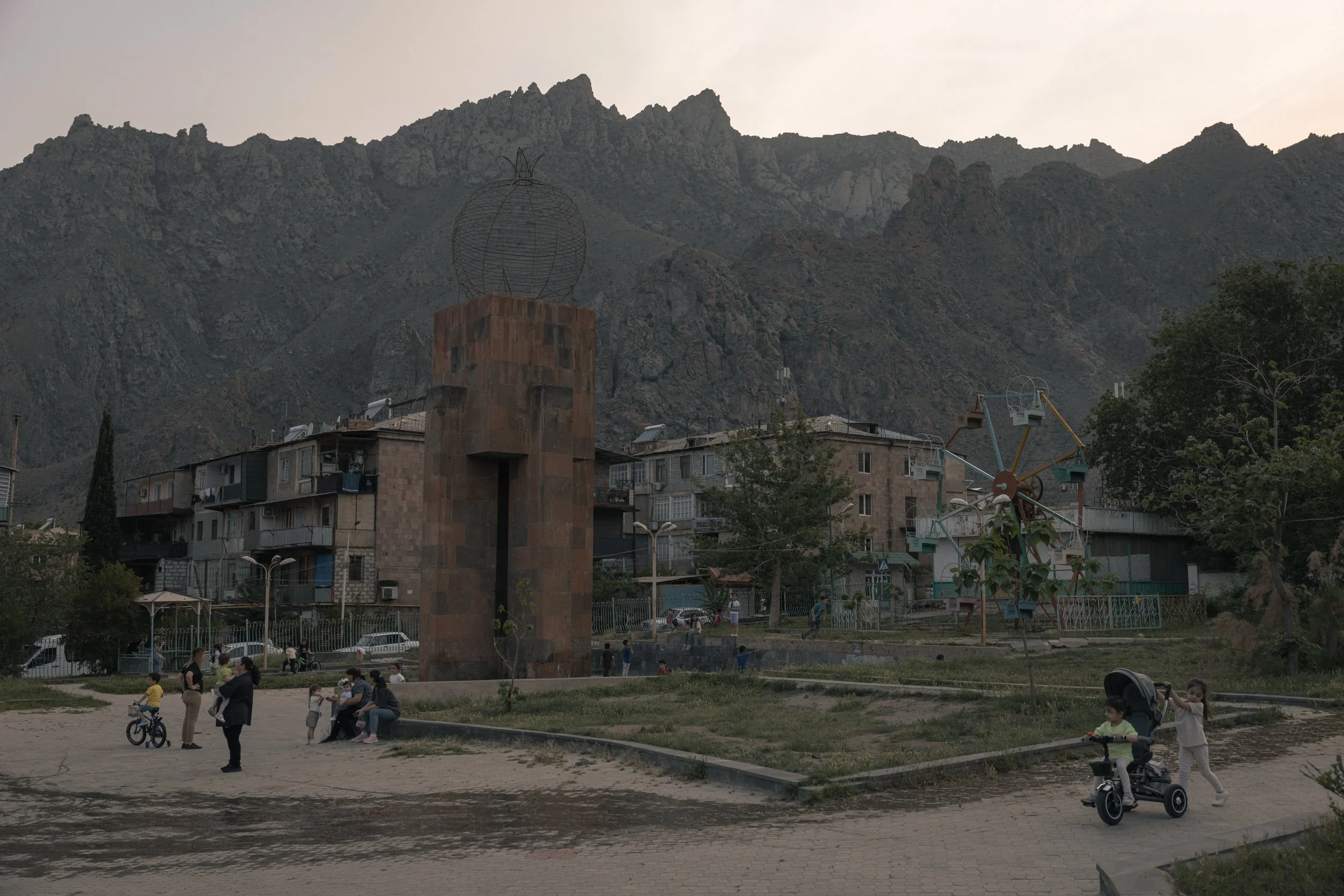
Residents in Agarak, Armenia, a border town near Iran which serves as a key trade and energy hub gather at the central park on the evening of May 18, 2025. The town functions as a vital gateway for trade and energy between Armenia and Iran. Its strategic importance is highlighted amid the U.S.-brokered Trump Peace Corridor (TRIPP), a transport initiative aimed at connecting mainland Azerbaijan with its Nakhchivan exclave via road, rail, oil, gas, and fiber-optic lines under Armenian jurisdiction. TRIPP is designed to foster regional cooperation and reduce tensions between Armenia and Azerbaijan, contrasting with Azerbaijan’s prior push for a “Zangezur Corridor,” which Armenia perceives as a challenge to its sovereignty and established transport routes. Agarak’s role underscores Armenia’s efforts to maintain economic resilience and geopolitical balance in the South Caucasus.
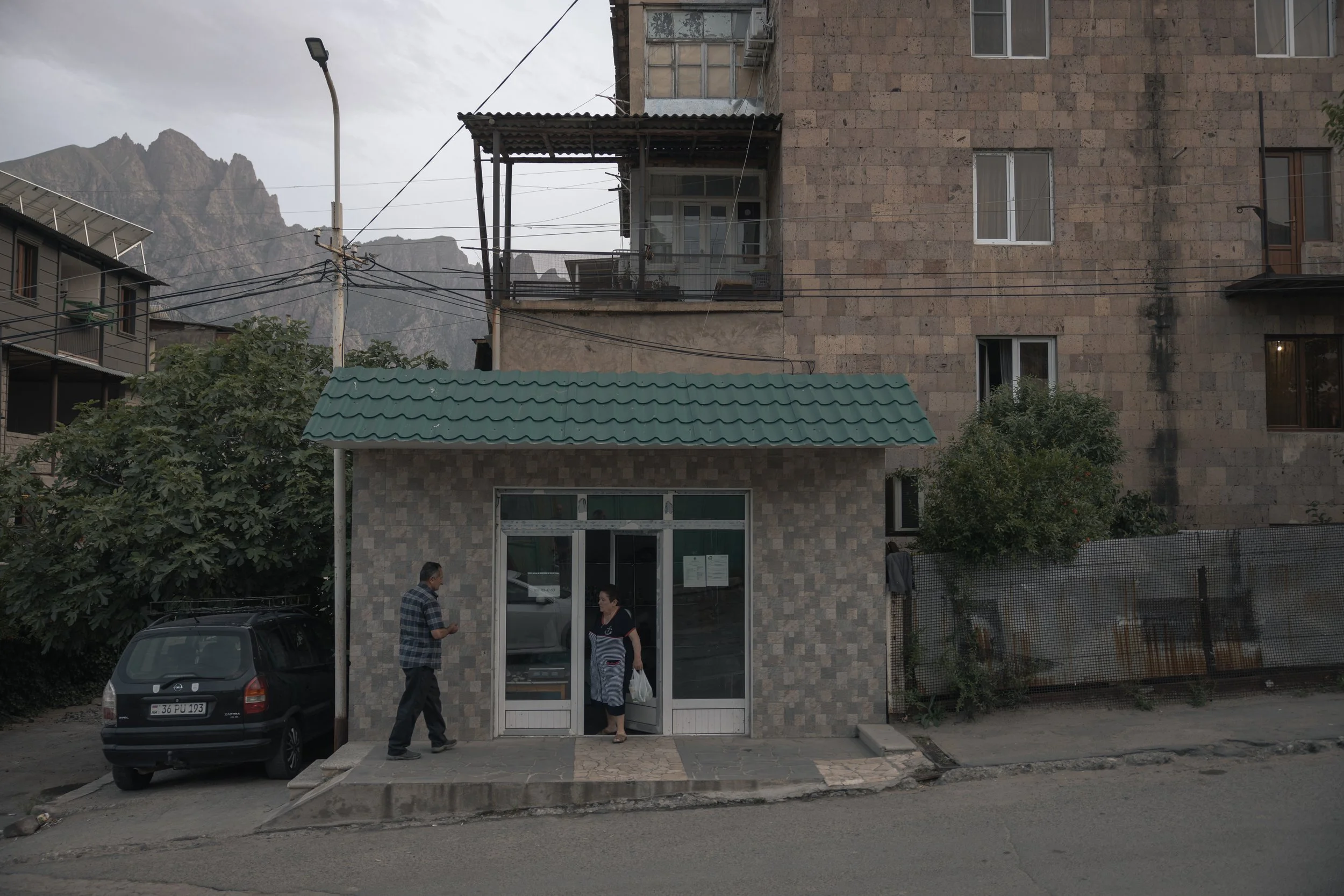
The border town of Agarak in southern Armenia, photographed on May 18, 2025. Home to roughly 1,600 residents, Agarak sits along the frontier with Iran and serves as a key transit point for trade and energy flows.
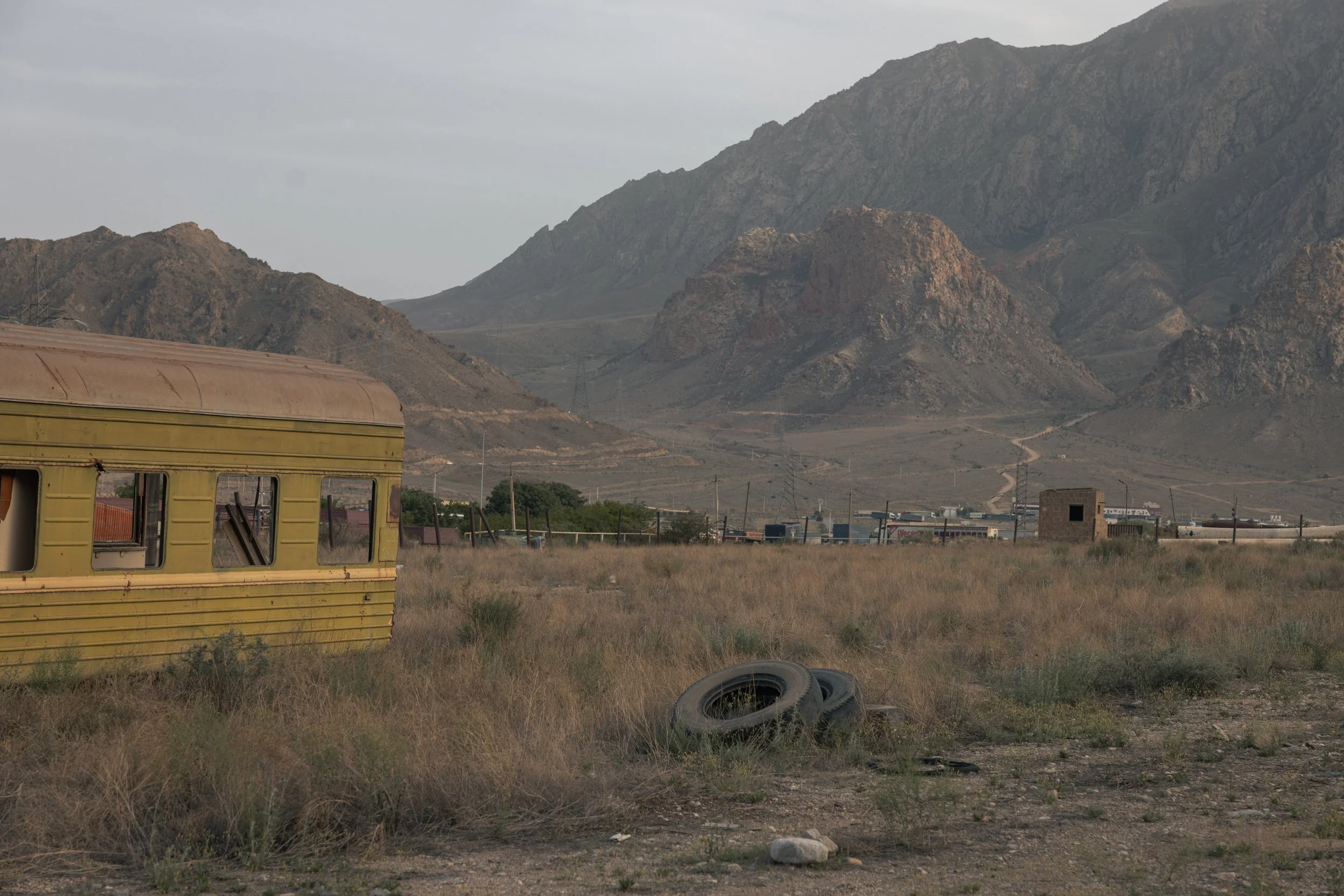
Near the border town of Agarak, southern Armenia, abandoned railway cars from the former Meghri line sit rusting on May 18, 2025. Once part of a route connecting southern Armenia with Azerbaijan and Iran, the railway was decommissioned decades ago, leaving behind skeletal infrastructure. In the distance a road stretches toward the area proposed for the Zangezur Corridor, a potential new transit link that has stirred debate over its implications for regional transport and geopolitics. The juxtaposition of derelict railcars and a road heading toward a contested future captures the layered history of the region from Soviet‑era connectivity, through years of closure and isolation, to renewed tensions and hopes around shifting transportation routes.
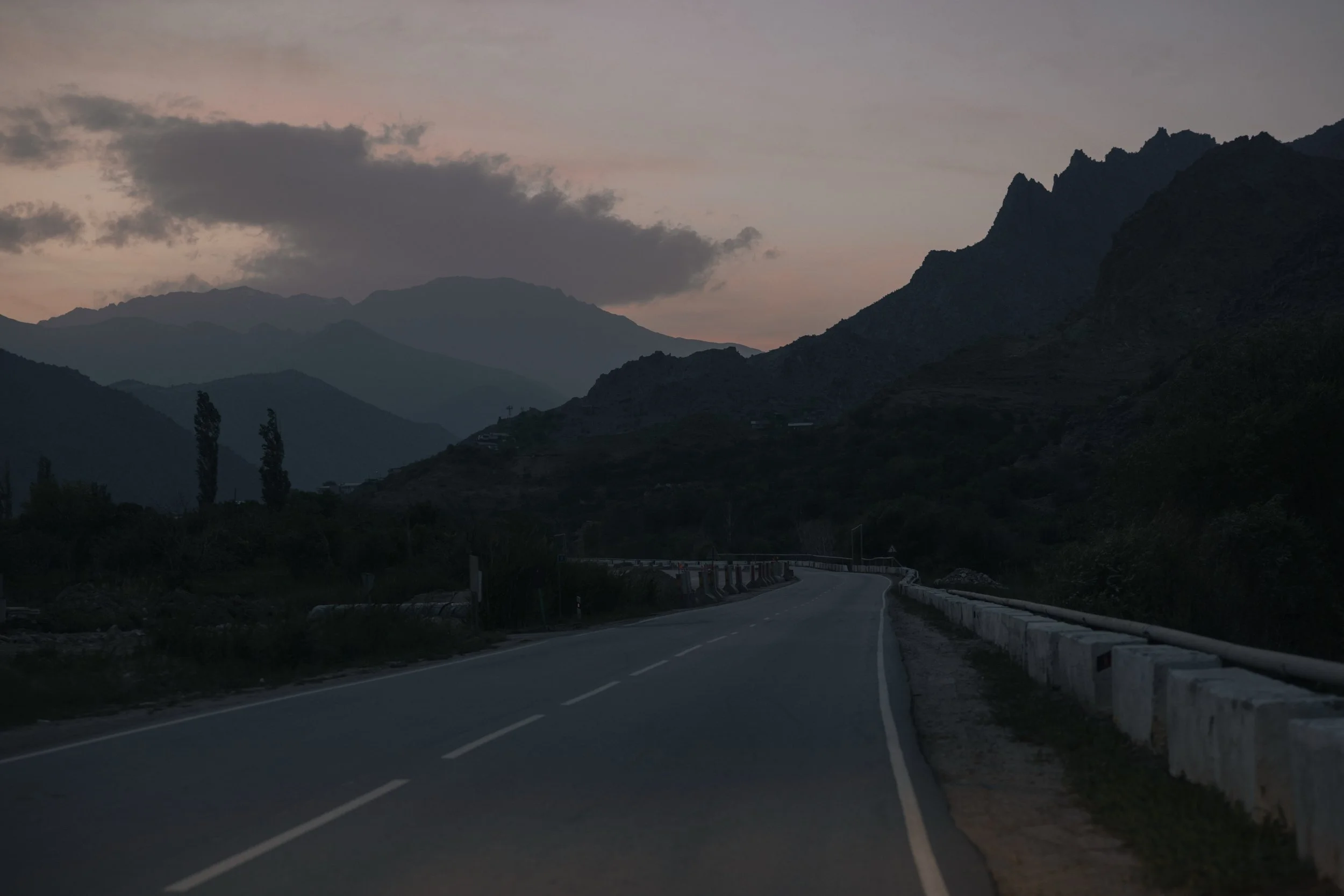
A winding road stretches from the Iranian border toward Meghri, Armenia, on May 18, 2025. Once a key artery for trade and energy, the route remains vital as the abandoned Meghri railway recalls decades of conflict and lost connectivity. The region has gained renewed attention following the 2025 peace agreement between Armenia and Azerbaijan, which proposes the TRIPP transit corridor through southern Armenia.